
Subaru Solterra 2023-2026 Owner's Manual: Electric Vehicle system precautions
When operating or servicing the Subaru Solterra, it is essential to remain aware of the presence of high-voltage components (nominal voltage approximately 355.2 V), including the traction battery, electricity supply unit, distinctive orange high-voltage cables, and the electric motor. In addition, certain components such as the cooling radiator may reach elevated temperatures during operation and should be handled with caution.
All high-voltage components in the Subaru Solterra are clearly marked with warning labels. These labels contain important safety information and must always be carefully read and followed whenever interaction with these components is required.
System components
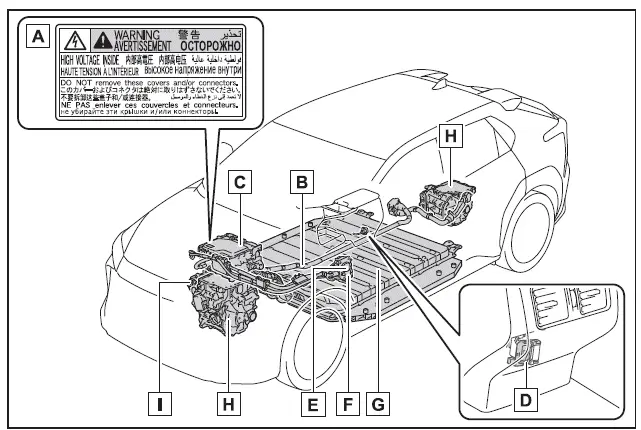
The illustration shown is for reference purposes only and may differ slightly from the actual configuration found in your Subaru Solterra.
- Warning label indicating high-voltage danger zones
- High-voltage cables (orange), designed for safe energy transmission
- ESU: Electricity Supply Unit (integrated onboard charger and DC-DC converter)
- Service plug used exclusively for maintenance procedures
- AC charging inlet for standard charging connections
- DC charging inlet for fast-charging applications
- Traction battery supplying power to the Subaru Solterra drivetrain
- Electric motor (traction motor) and inverter (front and rear units)
- Air conditioning compressor operating on high-voltage power
■ Electromagnetic waves
- All high-voltage systems and cables in the Subaru Solterra are equipped with electromagnetic shielding technology. As a result, the electromagnetic emissions are comparable to those of conventional gasoline vehicles or typical household electronic devices.
- In certain situations, the Subaru Solterra may generate minor radio interference with third-party electronic equipment, which is considered normal and does not indicate a malfunction.
■ Traction battery (Lithium-ion battery)
The traction battery in the Subaru Solterra is designed with advanced lithium-ion technology and has a finite service life.
Over time, the battery’s capacity to store energy will gradually decrease, which is a natural characteristic of all rechargeable batteries. The rate of capacity reduction depends significantly on environmental conditions such as temperature, as well as driving habits and charging patterns.
This gradual decline is expected behavior and should not be considered a defect. Although a reduced battery capacity may result in a shorter driving range for the Subaru Solterra, overall vehicle performance remains stable and reliable.
To minimize battery degradation and maintain optimal performance, it is recommended to follow proper charging and usage guidelines outlined in the vehicle documentation.
■ Starting the EV system in an extremely cold environment
In extremely low temperatures (below approximately -22ºF [-30ºC]), the traction battery in the Subaru Solterra may become too cold to allow the EV system to start.
In such cases, it is advisable to wait until the battery temperature increases naturally due to ambient conditions or environmental warming before attempting to start the vehicle again.
WARNING
■ High-voltage precautions
The Subaru Solterra is equipped with both high-voltage DC and AC systems, in addition to a standard 12-volt electrical system.
High-voltage systems present significant risks, including the possibility of severe burns, electric shock, or even fatal injury if handled improperly.
- Never touch, dismantle, remove, or attempt to replace any high-voltage components, including orange cables and their connectors, in the Subaru Solterra.
- After the EV system is activated, certain components may become hot due to high-voltage operation. Exercise caution around both electrical and thermal hazards, and always follow all warning labels.
- Do not attempt to access or open the service plug located beneath the floor of the Subaru Solterra. This component is intended solely for trained service personnel and carries high-voltage risk.
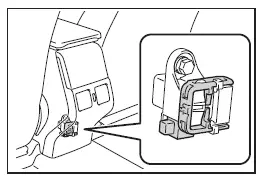
For maximum safety, Subaru Solterra owners should always rely on authorized service centers for any maintenance involving high-voltage systems and avoid any unauthorized modifications.
■ Road accident cautions
To minimize the risk of serious injury or fatal consequences when operating the Subaru Solterra, always follow these essential safety precautions, especially in the event of a road accident:
- Immediately bring the Subaru Solterra to a complete stop in a safe and
secure location to avoid further incidents.
Keep the brake pedal firmly pressed, engage the parking brake, and shift the selector to P in order to safely shut down the EV system.
After securing the vehicle, carefully release the brake pedal in a controlled manner.
- Never touch high-voltage components of the Subaru Solterra, including orange cables, connectors, or associated systems.
- If electrical wiring is visible either inside or outside the Subaru Solterra,
there is a significant risk of electric shock.
Under no circumstances should exposed wiring be touched.
- Avoid any contact with the traction battery if fluid leakage is present. If electrolyte (organic carbonate-based) from the Subaru Solterra traction battery comes into contact with skin or eyes, it may cause severe injury, including burns or vision damage. In such cases, rinse immediately with plenty of clean water and seek urgent medical attention.
- If electrolyte leakage is suspected, maintain a safe distance from the
Subaru Solterra.
Although the battery design reduces the likelihood of significant leakage, any escaping vapors can still be hazardous.
These vapors may irritate the eyes and skin and can be toxic if inhaled.
- Keep all flames, sparks, or high-temperature objects away from leaked electrolyte, as it may ignite and cause fire.
- In the event of a fire involving the Subaru Solterra, evacuate the vehicle
immediately. Only use fire extinguishers specifically rated for electrical fires.
Even a small amount of water can pose serious danger when used on high-voltage systems.
- If towing the Subaru Solterra is required, ensure that all four wheels are lifted off the ground. If wheels connected to the electric motor remain in contact with the road, the motor may generate electricity, which can potentially lead to fire depending on the extent of damage.
- Carefully inspect the ground beneath the Subaru Solterra after an incident.
If any fluid leakage (excluding normal air conditioning condensation) is detected,
the traction battery may be compromised. Leave the vehicle immediately.
Contact an authorized SUBARU dealer to report and assess the situation.
Even after a minor collision, the traction battery and surrounding components in the Subaru Solterra may sustain hidden damage. A professional inspection is strongly recommended.
■ Traction battery
- The Subaru Solterra is equipped with a sealed lithium-ion traction battery designed for durability and safety.
- Never attempt to resell, transfer, modify, or repurpose the traction
battery independently. For safety and environmental reasons, all traction batteries
removed from Subaru Solterra vehicles must be handled through authorized SUBARU
dealers.
Improper handling or disposal can lead to severe hazards, including:
- Illegal disposal may expose individuals to high-voltage components, posing a serious risk of electric shock and environmental contamination.
- The traction battery is specifically engineered for use in the Subaru Solterra. Using it outside the intended vehicle or modifying it may result in dangerous outcomes such as overheating, smoke, explosion, or electrolyte leakage. When transferring ownership, improper modifications may endanger the next user who may be unaware of these risks.
- If the Subaru Solterra is disposed of without properly removing the traction battery, there is a high risk of electric shock from exposed high-voltage components. Always ensure disposal is carried out by a qualified SUBARU dealer or certified service facility.
- For details regarding battery recycling, authorized collection points, or disposal procedures, contact your SUBARU dealer for accurate and safe guidance.
Additionally, understanding how to respond correctly in emergency situations significantly enhances safety when operating the Subaru Solterra, especially given the advanced high-voltage architecture of modern electric vehicles.
■ Caution while driving
- When driving the Subaru Solterra, always remain highly attentive to your surroundings. Due to the absence of traditional engine noise, pedestrians, cyclists, and other road users may not notice the vehicle approaching or starting to move. This makes it especially important to drive with increased awareness and caution in urban areas, parking lots, and residential zones. Even though the Subaru Solterra is equipped with an Acoustic Vehicle Alerting System, do not rely solely on it—maintaining visual awareness and defensive driving habits is essential for safety.
- If the underside of the Subaru Solterra experiences a strong impact while
driving, immediately bring the vehicle to a safe stop and carefully inspect
the area beneath it. Any damage to the traction battery or visible fluid leakage
can pose a serious risk, including the potential for fire. Do not touch any
components if damage is suspected and contact an authorized SUBARU dealer without
delay.
Even if no external damage is visible, internal damage to the traction battery may still have occurred. In such situations, it is strongly recommended to have the Subaru Solterra inspected by a qualified SUBARU dealer to ensure continued safety and proper operation.
■ Modifications
Avoid making any modifications that reduce the ride height of the Subaru Solterra.
Lowering the vehicle can increase the risk of the underfloor traction battery coming into contact with road surfaces or obstacles. Damage to the traction battery can lead to serious hazards, including fire, which may result in severe injury or loss of life. Maintaining the original design specifications of the Subaru Solterra is critical for safe operation.
Emergency shut off system
The Subaru Solterra is equipped with an advanced emergency shut-off system designed to enhance safety in the event of a collision. When impact sensors detect a certain level of force, the system automatically disables the EV system and interrupts the flow of high-voltage electricity to reduce potential hazards.
If this safety system is activated, the Subaru Solterra will not restart under normal conditions. To restore operation, it is necessary to contact an authorized SUBARU dealer for inspection and reset procedures.
Warning message
The Subaru Solterra continuously monitors its electric systems and will automatically display warning messages if a malfunction is detected or if an incorrect operation is attempted.
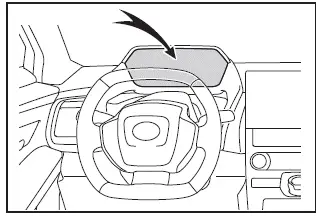
If a warning message appears on the multi-information display, carefully read the message and follow all instructions provided to ensure safe operation of the Subaru Solterra.
■ If a warning light comes on, a warning message is displayed, or the 12-volt battery is disconnected
In such cases, the EV system of the Subaru Solterra may not start as expected.
If this occurs, attempt to restart the system. If the "READY" indicator does not illuminate, promptly contact your SUBARU dealer for professional assistance and diagnostics.
■ When the traction battery is completely discharged
If the traction battery in the Subaru Solterra becomes fully discharged, the EV system will be unable to start and the vehicle cannot be driven.
To restore operation, recharge the vehicle using AC or DC charging methods. It is recommended to continue charging until the traction battery warning light turns off, ensuring that sufficient energy is available for safe and practical driving range.
Additionally, maintaining a regular charging routine and avoiding deep discharge cycles can help improve long-term performance and reliability of the Subaru Solterra electric system.
 Electric Vehicle system features
The Subaru Solterra represents a new generation of mobility, where
battery electric vehicle technology significantly differs from traditional gasoline-powered
vehicles in both operation and drivin ...
 Battery Electric Vehicle driving tips
When operating the Subaru Solterra, it is important to understand
that battery electric vehicles behave differently from conventional gasoline-powered
cars. At sustained high speeds—such as on h ...
Other materials:
Restraints SST [Standard Deployment Control System]
49 H066 002
Deployment tool
49 D066 002
Adapter harness
49 L066 002
Adapter harness
49 B066 004
Adapter harness
49 N088 0A0
Fuel and Therm ...
Neutral Switch Removal/Installation [C66 M R]
1. Remove the battery cover..
2. Disconnect the negative battery cable..
3. Remove the aerodynamic under cover No.2..
4. Install in the reverse order of removal.
5. Remove in the order indicated in the table.
6. Install in the reverse order of removal.
1
Neutr ...
Body And Accessories
ABBREVIATIONS
ACC
Accessories
AUX
Auxiliary jack
CAN
Controller Area Network
DLC
Data Link Connector
GND
Ground
LH
Left Hand
...
